
Overview
Sciatica is a symptom — not a diagnosis. Dr. Sam finds the actual source and decompresses the nerve so the pain stops radiating.
Quick takeaway
End the burning, shooting leg pain caused by a compressed sciatic nerve or pinched nerve root.
What it does
Here's what most patients notice from sciatica & radiculopathy treatment — outcomes vary by case, but these are the consistent themes we see in the clinic.
- Stops radiating leg pain
- Restores normal walking
- Improves sleep
- Long-lasting relief
How it works
Most sciatica responds rapidly to a combination of full-spine decompression and targeted lumbar adjustment. Patients commonly report meaningful relief within the first 1–3 visits.
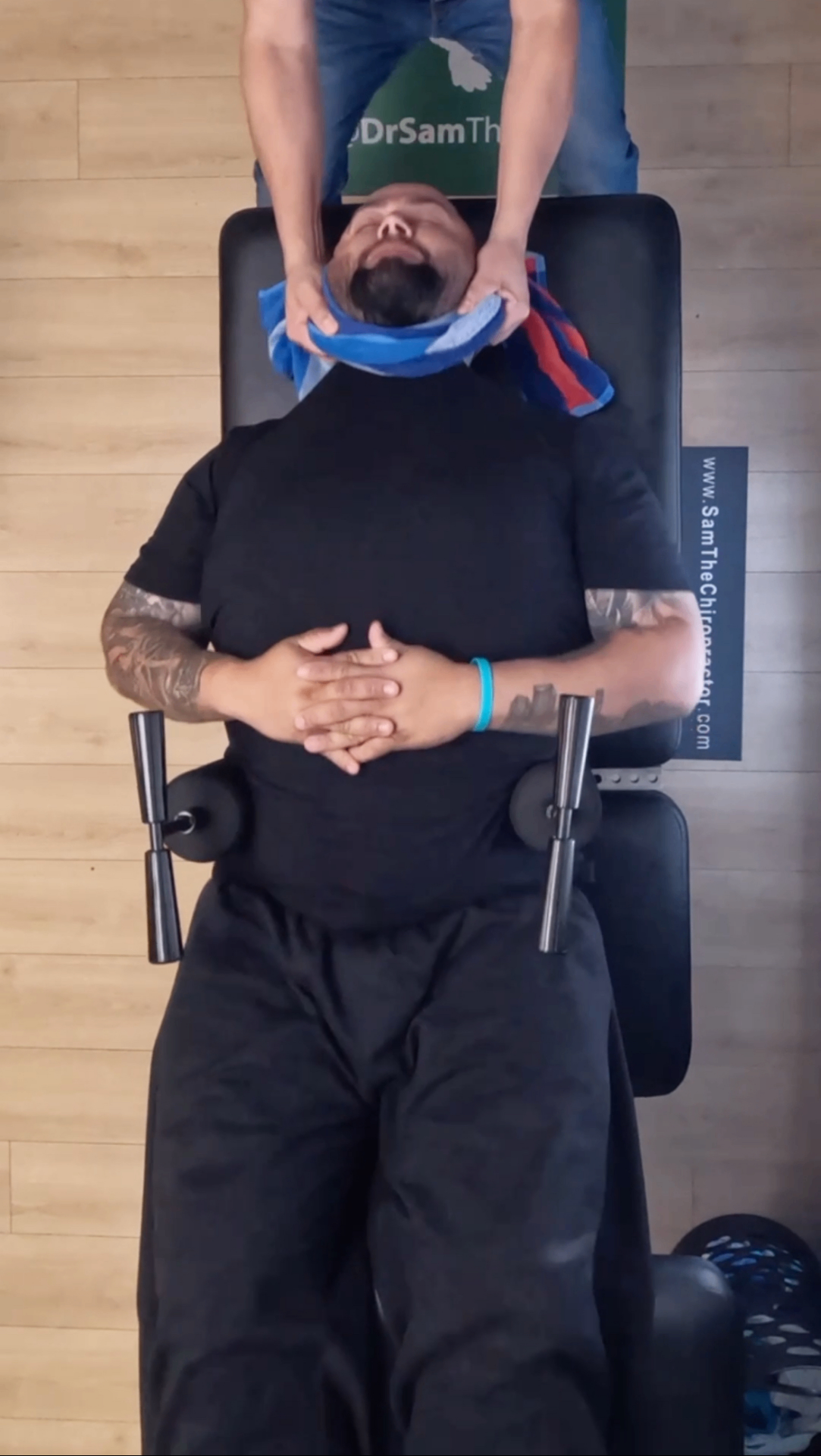
Watch Sciatica & Radiculopathy Treatment in action
Real footage from the clinic — see Dr. Sam perform sciatica & radiculopathy treatment and related techniques. More on the video gallery.
Patient Relief Session
In-depth guide to Sciatica & Radiculopathy Treatment
Sciatica is one of the most disabling and misunderstood pain patterns we treat. The word itself simply describes pain that travels along the path of the sciatic nerve — typically from the low back or buttock down the back of the thigh, sometimes into the calf and foot. It is a symptom, not a diagnosis, and successful treatment depends entirely on identifying the actual structure that is irritating the nerve. At our Ontario, CA clinic, Dr. Samuel Ruiz begins every sciatica consultation with one goal: figure out exactly where the problem is coming from, then address that source directly.
In the majority of cases, sciatica originates from a compressed lumbar nerve root — most commonly L4, L5, or S1 — pinched by a bulging or herniated disc, a hypertrophic facet joint, or stenotic narrowing of the foraminal opening where the nerve exits the spine. In other cases, the irritation is more peripheral: piriformis syndrome, where a tight or spasming muscle deep in the buttock compresses the nerve as it passes; sacroiliac joint dysfunction creating a referred pattern that mimics true sciatica; or even hip joint pathology presenting with sciatic-pattern pain. Each of these requires a different treatment plan, and treating the wrong one is why so many sciatica patients spend years cycling through providers without lasting relief.
Dr. Sam's evaluation includes a detailed history of when and how the pain started, what positions and activities make it better or worse, the exact distribution of pain and any numbness or weakness, reflex testing, dermatome and myotome screening, straight leg raise and slump tests, and palpation of the lumbar spine, sacroiliac joints, and piriformis. When indicated, existing imaging is reviewed in detail and additional imaging is ordered. By the end of the first visit, you will know what is causing your pain and what the realistic plan is to fix it.
Treatment is matched to the cause. For disc-driven radiculopathy, the plan revolves around decompression — Ring Dinger® full-spine decompression, manual traction, and flexion distraction — combined with targeted lumbar adjustment to restore proper segmental motion and reduce inflammation around the affected nerve root. For piriformis-driven sciatica, the focus is on releasing the muscle, restoring sacroiliac and hip joint motion, and correcting the gait or postural patterns that are keeping it tight. For stenosis-driven pain, gentle decompression combined with extension-bias positioning and core stability work tends to produce the best long-term outcomes.
What surprises most sciatica patients is how quickly they respond when the right treatment is matched to the right cause. It is common for patients with weeks or months of radiating leg pain to report 50% or greater reduction within the first one to three visits. That early response is diagnostic in itself — when conservative care produces rapid improvement, it confirms the source and predicts a good long-term outcome. When it does not, Dr. Sam pivots quickly rather than continuing a plan that is not working.
Red flags that prompt immediate referral include progressive weakness in the foot or leg, loss of bowel or bladder control, saddle-area numbness, or sudden complete loss of sensation. These can indicate cauda equina syndrome, a true surgical emergency. Outside of those uncommon presentations, the vast majority of sciatica is mechanical, conservative, and very treatable without injections, opioids, or surgery.
Long-term resolution requires more than getting out of pain. Patients who simply chase symptom relief without addressing the underlying postural and movement patterns that loaded the nerve in the first place tend to relapse. Dr. Sam includes corrective exercise guidance — hip mobility, core stability, glute activation, and lumbar control work — as a standard part of every sciatica care plan. The combination of in-office decompression and adjustment plus consistent home work produces the most durable results.
Sciatica patients come to our clinic from across the Inland Empire — Ontario, Rancho Cucamonga, Chino, Chino Hills, Upland, Fontana, Eastvale, Corona, Riverside, San Bernardino, Pomona, Diamond Bar, and beyond. Same-day appointments are often available for acute presentations. New patient evaluations are $300; follow-ups are $200. If you have been suffering with leg pain that nothing seems to fix, a single, thorough consultation is the fastest way to find out what is actually going on and what it will take to get you back to normal.
Sciatica responds best when treatment addresses the actual source — disc, piriformis, sacroiliac joint, or lumbar facet — rather than chasing the leg pain in isolation. Dr. Sam runs a targeted neuro-orthopedic exam on the first visit to pinpoint that source before any adjustment is delivered. Patients who have spent months on muscle relaxants and generic stretches are often shocked at how quickly the radiating pain calms once the correct segment is decompressed.
To start sciatica care, call (909) 529-1179 — please mention which leg is affected, the pattern of pain (calf vs. foot vs. thigh), and any numbness or weakness so the visit can be scheduled appropriately. The clinic is at 1155 S. Milliken Ave, Suite J, Ontario, CA 91761, free parking, easy access from the 10, 60, 15, and 71. Initial evaluation is $300 (includes first treatment), follow-ups $200; cash, debit, credit, and HSA/FSA accepted.
Who it's for
Sciatica & Radiculopathy Treatment is a strong fit for patients dealing with:
- Burning or shooting leg pain
- Numbness or tingling down the leg
- Pain when sitting
What to expect at your visit
- 1
Consultation & exam
Dr. Sam reviews your history, posture, and movement to find the root cause — not just the symptom.
- 2
Hands-on treatment
Your sciatica & radiculopathy treatment session is delivered one-on-one with no rushed handoffs or assistants.
- 3
Plan forward
You leave with a clear understanding of what was done, how you'll likely feel, and whether follow-up care is recommended.
Frequently asked
Does it hurt?
Most patients describe the sensation as a deep stretch followed by relief. Dr. Sam adjusts force to your comfort.
How long is the appointment?
Plan for about 30–45 minutes. New patient visits include a full exam and may run slightly longer.
Do you accept insurance?
We're a transparent cash-pay practice. New patient $300, follow-ups $200. HSA, debit and credit accepted.