
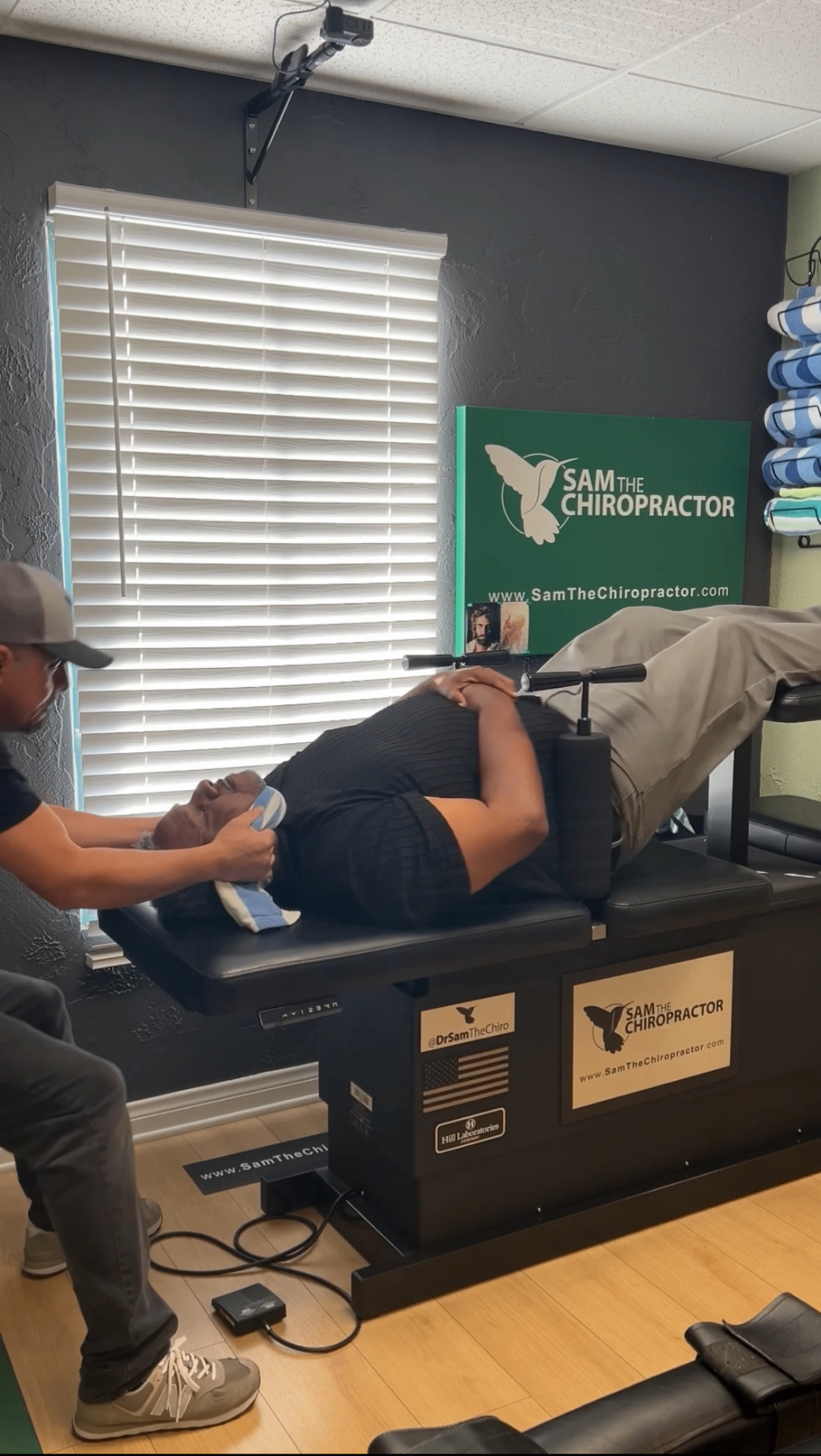
Overview
When the pelvis is off, the hips, knees and ankles compensate. Realign the foundation and downstream pain usually fades.
Quick takeaway
Lower-body alignment and joint care to keep you walking, lifting and running pain-free.
What it does
Here's what most patients notice from hip, knee & ankle pain — outcomes vary by case, but these are the consistent themes we see in the clinic.
- Better gait
- Stronger lifting position
- Less joint wear
- Faster post-run recovery
How it works
Dr. Sam evaluates pelvic position, leg length and joint mechanics, then adjusts each joint individually to restore proper movement.
In-depth guide to Hip, Knee & Ankle Pain
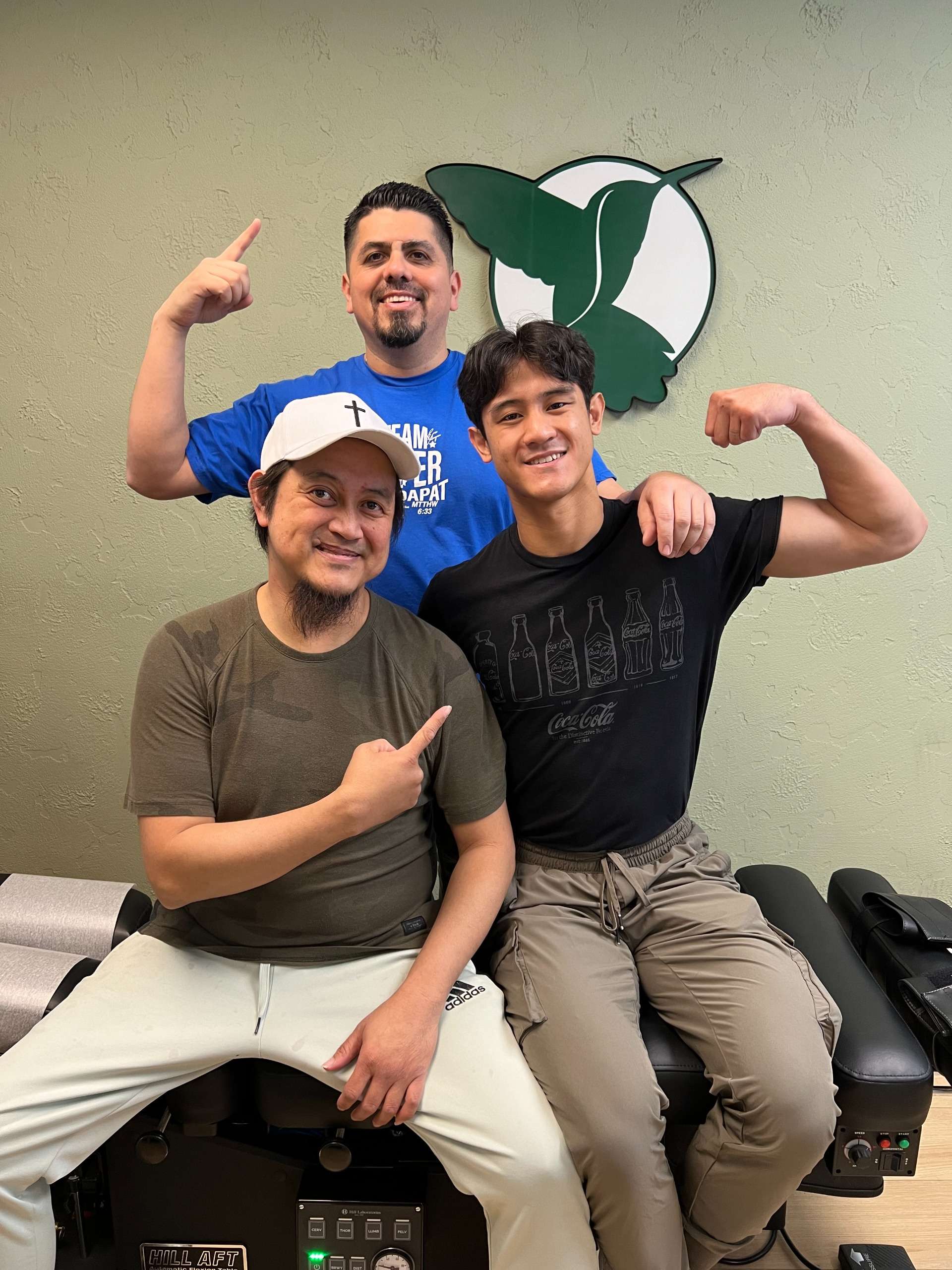
Hip, knee, and ankle pain is one of the areas where chiropractic care is most underutilized and most effective. Most people associate chiropractors with neck and back pain — and we treat plenty of both — but the lower extremities are full of synovial joints that lock up, refer pain, and disrupt the entire kinetic chain when they are not moving properly. Dr. Samuel Ruiz treats the lower body as carefully and specifically as the spine, and patients who come in for what they think is an isolated knee or hip problem are often surprised at how much improvement they feel after a few well-placed adjustments.
The lower body functions as a stacked, interdependent system. The foot strikes the ground and absorbs load. The ankle distributes that load to the knee. The knee transmits it to the hip. The hip delivers it to the pelvis, which then transmits force into the spine. When any joint in that chain is restricted or moving abnormally, every joint above and below has to compensate. A jammed first metatarsophalangeal joint changes how you push off, which alters how the knee tracks, which loads the hip asymmetrically, which tilts the pelvis, which torques the lumbar spine. Treating only the joint that hurts misses the actual cause.
Dr. Sam's evaluation always begins with a global lower-body screen: standing posture, leg length symmetry, pelvic tilt and rotation, knee tracking in single-leg stance, ankle dorsiflexion, and foot arch position. Gait analysis is performed when relevant. From there, individual joint motion is assessed at the hip, knee, ankle, and foot. The findings dictate the treatment — adjustments are made specifically where motion is restricted, with the goal of restoring symmetric, efficient movement throughout the entire chain.
Hip pain can have many sources. True hip joint pathology presents as deep groin pain that worsens with rotation. Sacroiliac joint dysfunction often masquerades as hip pain and presents in the buttock or lateral hip. Lumbar facet referral can also create a hip-pattern pain. And tight hip rotators — particularly the piriformis — can refer pain that mimics either the hip or sciatica. The right treatment depends entirely on identifying which of these is driving the symptom, and that is where careful evaluation pays off.
Knee pain in patients who do not have structural damage is most often driven by alignment, tracking, and load distribution issues from above and below. A hip that is not extending properly forces the quadriceps to overwork and overload the patellofemoral joint. An ankle that is not dorsiflexing properly forces the knee into compensatory valgus. Restoring motion at the hip and ankle, combined with targeted patellofemoral mobilization and corrective exercise, frequently resolves chronic anterior knee pain without any direct intervention at the knee itself.
Ankle and foot pain is the most overlooked of all. A history of even one significant ankle sprain leaves most people with permanent restriction at the talus and subtalar joints unless someone restores that motion. Plantar fasciitis is often perpetuated by restricted ankle dorsiflexion and tight calf musculature rather than the fascia itself. Bunion pain frequently has a strong contribution from a stuck first MTP joint. Dr. Sam adjusts these joints with the same care he gives the spine, and patients with years of foot or ankle complaints often see meaningful change quickly.
Athletes — runners, lifters, soccer players, basketball players, boxers, jiu-jitsu practitioners — make up a meaningful portion of our lower-body caseload. The combination of decompression, full-body adjustment, and targeted extremity work keeps athletes in training, accelerates recovery between sessions, and reduces the cumulative restrictions that eventually become injuries. Many athletes incorporate regular care as a standard part of their training cycle rather than waiting until something breaks down.
Patients travel to our Ontario, CA clinic from across the Inland Empire and Greater Los Angeles area for lower-body chiropractic care that goes beyond a generic 'crack and go.' New patient evaluations are $300 and include a thorough lower-body assessment; follow-ups are $200. If you have been managing chronic hip, knee, or ankle pain that has not responded to rest, stretching, or other interventions, a single focused consultation will give you a clear understanding of what is actually driving the problem and what it will take to fix it.
Lower-extremity pain is where biomechanics matter most. A pronated foot, a stiff ankle, or a rotated pelvis can quietly destroy a knee or a hip over time, and treating only the painful joint guarantees recurrence. Dr. Sam evaluates the entire kinetic chain — foot, ankle, knee, hip, pelvis, lumbar spine — and adjusts where motion is actually missing. Runners, lifters, and weekend hikers in the Inland Empire return for this exact reason: real relief, not just symptom management.
To schedule, call (909) 529-1179. Wear shorts or loose pants so the lower extremities can be examined and treated, and bring any orthotics or athletic shoes you use regularly. The clinic is at 1155 S. Milliken Ave, Suite J, Ontario, CA 91761 — free parking, quick access from the 10, 60, 15, and 71. New-patient visit is $300 (exam plus first treatment), follow-ups $200, with HSA/FSA, debit, and credit accepted.
Who it's for
Hip, Knee & Ankle Pain is a strong fit for patients dealing with:
- Runners
- Lifters
- Patients with chronic knee or hip pain
What to expect at your visit
- 1
Consultation & exam
Dr. Sam reviews your history, posture, and movement to find the root cause — not just the symptom.
- 2
Hands-on treatment
Your hip, knee & ankle pain session is delivered one-on-one with no rushed handoffs or assistants.
- 3
Plan forward
You leave with a clear understanding of what was done, how you'll likely feel, and whether follow-up care is recommended.
Frequently asked
Does it hurt?
Most patients describe the sensation as a deep stretch followed by relief. Dr. Sam adjusts force to your comfort.
How long is the appointment?
Plan for about 30–45 minutes. New patient visits include a full exam and may run slightly longer.
Do you accept insurance?
We're a transparent cash-pay practice. New patient $300, follow-ups $200. HSA, debit and credit accepted.